
After the permit: Ottawa building inspections and job-site safety.
A building permit is the start, not the finish. The City inspects the work at set stages, other agencies cover electrical and gas, and the job site has safety rules of its own. Here is how it works on an Ottawa renovation.
By GCO Contracting Inc. ·
The City’s inspection stages.
| Inspection stage | When the inspector comes |
|---|---|
| Excavation | Before concrete footings are poured |
| Plumbing underground | Before underground plumbing is covered (test required) |
| Foundation | Before the foundation is backfilled |
| Plumbing rough-in | When drains, waste, vents and water piping are roughed in (test required) |
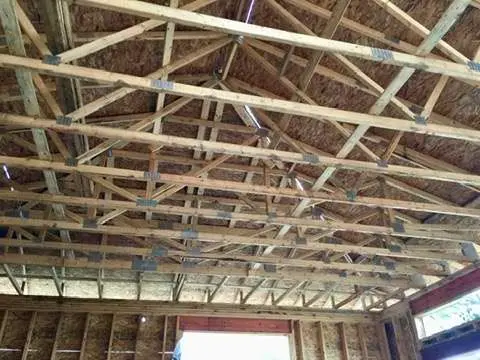
| Framing and mechanical rough-in | When framing, stairs and fire separations are done and electrical, fireplace and HVAC ductwork are roughed in |
| Air barrier, insulation, vapour barrier | When they are installed, before drywall |
| Plumbing final | When fixtures and appliances are in (test required) |
| Final | When the work is complete |
The short answer.
Once a building permit is issued, the City of Ottawa inspects the work at key stages to check it matches the approved plans and the Ontario Building Code. The permit holder is responsible for booking each inspection at least 48 hours ahead. Electrical work is inspected separately by the Electrical Safety Authority (ESA), and health and safety on construction sites falls under the Ontario Ministry of Labour.
If you are still deciding whether your project needs a permit at all, start with our guide: do I need a building permit in Ottawa?
Which stages apply to your renovation.
The exact stages for your project are listed in the Notice to Permit Holder, which the City gives you with the permit. The table above shows the stages that may apply.
Not every renovation hits every stage. A basement finish with no digging has no excavation or foundation inspection, but new walls, insulation and any new bathroom plumbing will be inspected before they are covered. A home addition on new footings usually goes through most of the list. A kitchen that moves plumbing or opens a wall is inspected at the rough-in stage, before the drywall goes up.
Covering work before it is inspected is the classic mistake. The City’s guidance is that work covered up before an inspection may have to be opened up again, which costs time and money. On a well-run job, the schedule leaves room for each inspection before the next trade starts.
How inspections are booked.
You or your contractor books each inspection through the City’s online customer portal or by calling the building inspector, at least 48 hours in advance. The inspector’s name and phone number are printed on the building permit. The City asks for:
- Your name and a return phone number
- The address of the project
- The permit number
- Which inspection is needed, and the date it is needed by
Other inspectors you may see.
The City is not the only authority on a renovation. Its own inspections page lists the others:
- Electrical: inspected by the Electrical Safety Authority, not the City. Ontario advises getting your electrical contractor’s ESA/ECRA licence number and the ESA permit fees on the written estimate. See electrical and lighting installation.
- Gas and oil appliances: under the Technical Standards and Safety Authority (TSSA).
- Septic systems: in rural areas such as parts of Manotick, septic systems are approved and inspected through the Ottawa Septic System Office on behalf of the Rideau Valley Conservation Authority.
- Job-site health and safety: regulated by the Ontario Ministry of Labour.
Job-site safety rules worth knowing.
A renovation is a construction site, even when it is inside your home. A few rules come straight from the City and the Province:
- Construction outside the building must be fenced or boarded to keep people out, especially next to sidewalks, homes, schools, parks or other public spaces. Ask the building inspector about specific requirements before work starts.
- Before any digging, call Ontario One Call (Call Before You Dig) at 1-800-400-2255 to locate buried cables and pipes. It is free and available 24/7.
- Ontario says workers and independent operators in construction must have workplace safety and insurance (WSIB) coverage, with some exceptions. You can check a contractor’s coverage with the WSIB.
- If someone is preparing design drawings for your permit application, check they are registered in the Province’s QuARTS public registry.
How GCO handles it.
Aurelio spent his first 20 years in construction building homes for Ottawa’s big home builders, where every stage is inspected before the next one starts. GCO runs renovations the same way. We coordinate permits and City approvals as part of the project, plan the schedule around each inspection, and keep safety front of mind on every site. Job sites stay clean and organized, with floors and finishes protected so the rest of your home stays livable, and GCO is $3M insured and bonded.
Want to see how that fits into a full project? Read our renovation process or book a free consultation.
Quick answers.
Short, plain answers. Anything else, call and ask for Aurelio, the owner of GCO Contracting.
The permit holder. You or your contractor books each inspection at least 48 hours ahead, through the City’s online customer portal or by calling the building inspector named on your permit.
The City may require it to be opened up again so the inspector can see it. That is why drywall should not go up over new framing, plumbing or insulation until the inspection for that stage has passed.
No. Electrical installations are inspected by the Electrical Safety Authority (ESA). Ontario advises hiring a licensed electrical contractor and making sure the ESA permit fees are included in your written estimate.
Yes, when the work is outside the building. The City says outdoor construction sites must be fenced or boarded to prevent access, especially next to sidewalks, homes, schools, parks or other public spaces. Ask your building inspector about the specific requirements before work starts.
Sources.
Rules and timelines change, so check the official pages for your own project.
Planning a renovation in Ottawa?
Book a free consultation. Drawings and a precise budget are not required.